Agent Strategies in CRM and the Emergence of an Agentic Economy
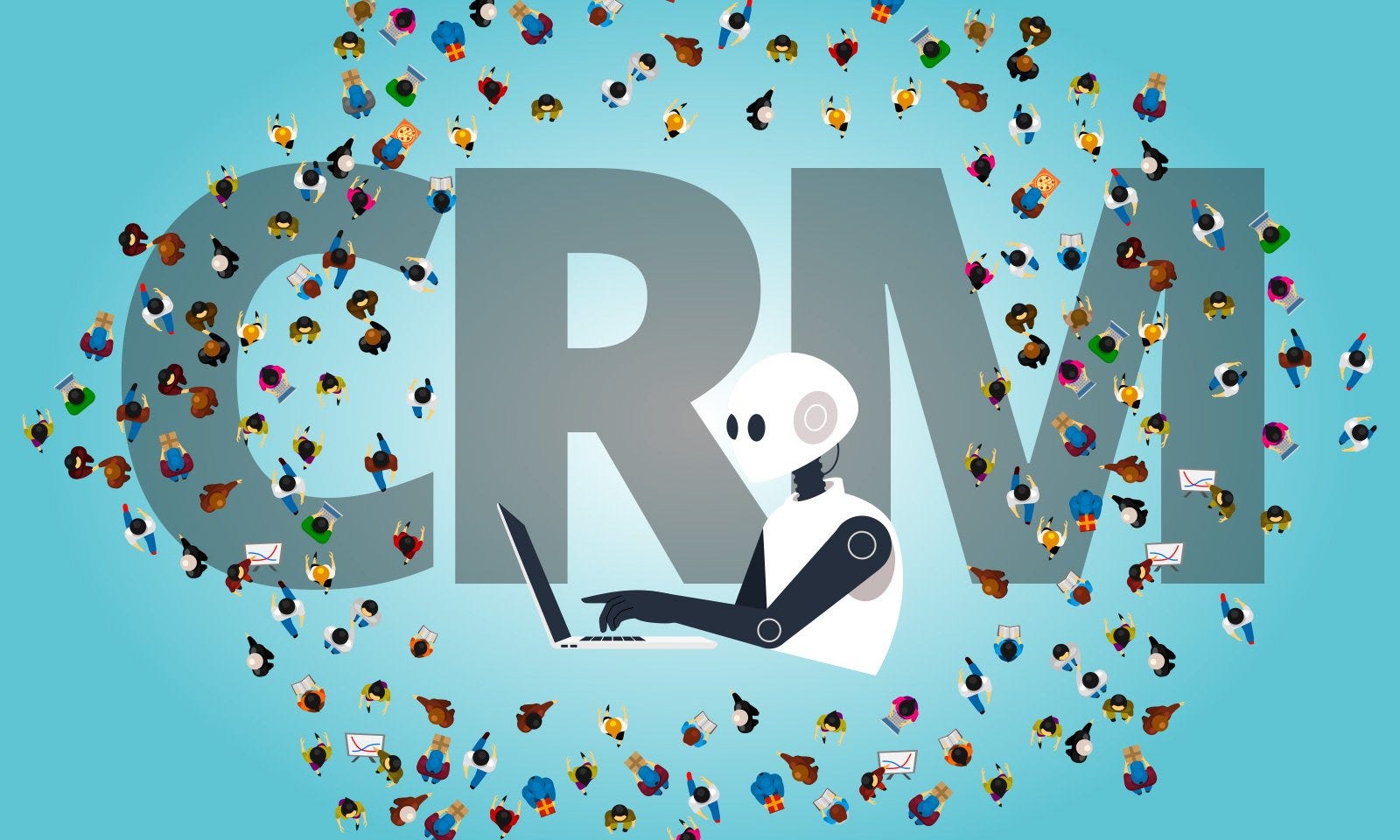
Agents and agentic AI are eating away at most categories of B2B software. We have been researching the introduction of agents in different software categories and their impact on pricing.
One of the most interesting things happening here is the emergence of headless CRMs.
TL:DR
- Agentic AI is rapidly transforming B2B SaaS, with autonomous agents now central in CRM and impacting pricing, adoption, and platform strategy.
- "Headless CRM" is emerging, where core systems provide APIs and back-end logic, allowing users to build their own user interfaces, fueling faster agent and workflow innovation.
- Major CRMs (Salesforce, HubSpot, Zoho, Pipedrive, Freshworks, Microsoft Dynamics) are introducing agentic capabilities via orchestration, workflow automation, and specialized agents like SDR and Sales Coach roles.
- Pricing models are shifting—large vendors increasingly use credit-based or usage-based pricing, embedded AI is included with subscription for some, while others pursue tiered or freemium pricing patterns.
Agents in the CRM world
Two companies are leading the agent economy: Salesforce and Microsoft. Let's start with them.
Salesforce Agentforce
Salesforce has a strategic advantage compared to other CRM companies. Agentforce is a complete agentic AI platform with agent orchestration, data integration, and security as well as discrete agents. Key CRM agents include Agentforce SDR (Sales Development Representative) and Agentforce Sales Coach. These align with two common agent patterns: Role Replacement for the SDR agent and Role Coach for the sales coach.
Microsoft Dynamics CRM Agents
At Microsoft, the Sales Qualification Agent serves as an autonomous lead research and prioritization system. This agent has three modes: research, prioritization, and outreach. Microsoft also provides a sales chat agent that can interact directly with potential buyers and collect information while providing guidance.
Agent Pricing Patterns in CRM
The large vendors with diversified solutions, Microsoft, Salesforce, and Hubspot, are offering some version of credit-based pricing while the more focused vendors are embedding agents into their existing packages.
Three Strategic Approaches:
- Premium Consumption (Salesforce, HubSpot): Usage-based pricing for enterprise sophistication
- Integrated Value (Zoho, Microsoft): AI embedded in the platform costs to drive adoption
- Accessible Subscription (Pipedrive): Traditional pricing with AI as a feature differentiator
Cost Predictability Spectrum:
- Most Predictable: Zoho (no extra fees), Pipedrive (subscription-only), Microsoft (platform-included)
- Moderately Predictable: Salesforce (flexible payment options)
- Least Predictable: HubSpot (credit depletion), Freshworks (session-based scaling)
Credit-Based Pricing of CRM Agents
The two dominant vendors, Salesforce and HubSpot, have some form of credit-based pricing:
Salesforce - Flex Credits System:
- Primary Credit Model: 20 Flex Credits per AI agent action ($0.10 per action)
- Credit Packages: 100,000 credits for $500
- Credits can be used across different Agentforce capabilities
HubSpot - HubSpot Credits:
- Credit Consumption: $0.01 per credit for AI actions
- Usage Examples: Content generation, social media posts, email personalization
- Credits automatically deducted from account balance
Headless CRM and Agents
One of the most interesting trends is the emergence of headless applications. These apps have been percolating for several years, but the emergence of AI agents and vibe coding (applications like Lovable, Bolt, Cursor, v0, etc.) has accelerated adoption.
Key Pricing Patterns in the Headless CMS Market
Freemium as Market Entry Strategy: Most headless CMS platforms employ freemium models to reduce barriers to entry.
Usage-Based Scaling Architecture: The dominant pattern involves pricing that scales with technical usage metrics rather than traditional business metrics.
Dramatic Tier Jumps Drive Decision Points: A consistent pattern across platforms is significant price increases between tiers—often 3-10x jumps.
Conclusions
The emergence of agentic AI and headless CRM in B2B SaaS signals a pivotal transition in the market, reshaping both platform capabilities and pricing strategies. As credit-based pricing and AI-embedded subscriptions become the norm, selecting the right approach will be essential for sustaining customer lifetime value and competitive edge.
Stay ahead in value-based pricing
Get insights on pricing strategy, value selling, and customer value management — delivered to your inbox.
No spam. Unsubscribe anytime.